Creează-ți propria ta colecție
Salvează obiecte în propriile tale colecții
Urmărește obiectele
Marchează obiectele cu propriul status
Abonează-te
Primește actualizări când sunt adăugate obiecte noi
Aruncă un ochi și pe alte colecții care s-ar putea să-ți placă.
Sortează după
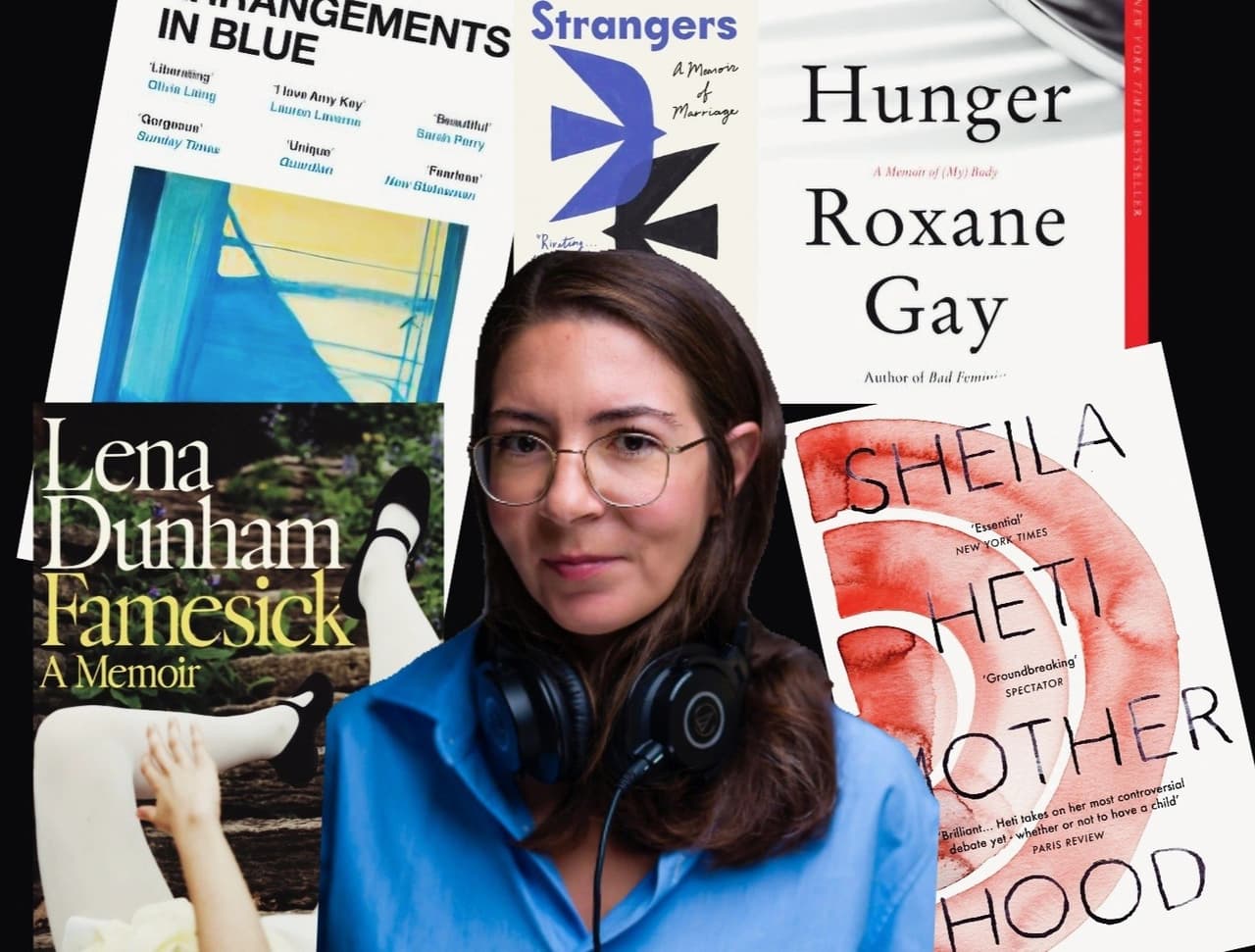
Using Joni Mitchell's seminal album Blue - which shaped Key's expectations of love - as an anchor, Arrangements in Blue elegantly honours a life lived completely by, and for, oneself. Building a home, travelling alone, choosing whether to be a mother, recognising her own milestones, learning the limits of self-care and the expansive potential of self-friendship, Key uncovers the many forms of connection and care that often go unnoticed.
On a chilly day in March of 2020, in the early days of the pandemic, Belle Burden s husband of twenty years announced, with no prior warning, that he was leaving her. His decision shocked Belle to her core: she believed he was a happy man, a committed partner, and a devoted father to their three children. She thought he was a man who had settled into the life he had always wanted: a successful career, summers spent at their beloved home on Martha s Vineyard, lots of tennis. Overnight, he transformed from her steady companion into a stranger.
Among Jamison's subjects are 52 Blue, deemed "the loneliest whale in the world"; the eerie past-life memories of children; the devoted citizens of an online world called Second Life; the haunted landscape of the Sri Lankan Civil War; and an entire museum dedicated to the relics of broken relationships. Jamison follows these examinations to more personal reckonings -- with elusive men and ruptured romances, with marriage and maternity -- in essays about eloping in Las Vegas, becoming a stepmother, and giving birth.
In her phenomenally popular essays and long-running Tumblr blog, Roxane Gay has written with intimacy and sensitivity about food and body, using her own emotional and psychological struggles as a means of exploring our shared anxieties over pleasure, consumption, appearance, and health. As a woman who describes her own body as "wildly undisciplined," Roxane understands the tension between desire and denial, between self-comfort and self-care. In Hunger, she explores her past--including the devastating act of violence that acted as a turning point in her young life--and brings readers along on her journey to understand and ultimately save herself.
In this laugh-out-loud personal journey, acclaimed author Meghan Daum explores the perils and pleasures of believing that only a house can make you whole. From her teenage apartment fantasies and her mother’s decorating manias to her own “hidden room” dreams and the bungalow she eventually buys on her own, Life Would Be Perfect If I Lived in That House “\[chronicles] an obsession that threatens to upend sanity and bank accounts…. Daum has a rare gift in her ability to keep readers laughing through her own tears” (The New York Times Book Review).
Having reached an age when most of her peers are asking themselves when they will become mothers, Heti's narrator considers, with the same urgency, whether she will do so at all. Over the course of several years, under the influence of her partner, body, family, friends, mysticism and chance, she struggles to make a moral and meaningful choice.
In the summer after graduating from college, Suleika Jaouad was preparing, as they say in commencement speeches, to enter "the real world." She had fallen in love and moved to Paris to pursue her dream of becoming a war correspondent. The real world she found, however, would take her into a very different kind of conflict zone. It started with an itch--first on her feet, then up her legs, like a thousand invisible mosquito bites. Next came the exhaustion, and the six-hour naps that only deepened her fatigue. Then a trip to the doctor and, a few weeks shy of her twenty-third birthday, a diagnosis: leukemia, with a 35 percent chance of survival. Just like that, the life she had imagined for herself had gone up in flames. By the time Jaouad flew home to New York, she had lost her job, her apartment, and her independence. She would spend much of the next four years in a hospital bed, fighting for her life and chronicling the saga in a column for The New York Times.
For the last decade, as she’s spent countless hours in doctor’s waiting rooms searching for diagnoses, treatments, and relief, being the owner and operator of Lena Dunham’s body has felt, as she puts it, 'like towing a wrecked car across town at midnight.' It’s not easy dragging a wrecked car anywhere, much less to the Met Gala while sewn into a gold lamé corset. Or to the set of the hit show that you - as a twenty-five-year-old - are writing, directing, producing, and starring in. Or to the White House, the Golden Globes, or your publicist’s office to discuss the latest internet disaster. But Dunham does it - even if it means interminable hospital stays, vomiting in the bathroom when she’s meant to be meeting Oprah, or terrifying those closest to her - because she can no longer tell the difference between fighting to do what she loves and being a servant to her own ambition. All the while, she is holding out for a love that can withstand her personal and public challenges and, more than anything, yearning to feel like herself again - if only she could remember who that self was.
Millennial expat couple Anna and Tom are living the dream in Berlin, in a bright, affordable, plant-filled apartment. Their life as young digital creatives revolves around slow cooking, Danish furniture, sexual experimentation and the city’s twenty-four-hour party scene - an ideal existence shared by an entire generation and tantalizingly lived out on social media. But beyond the images, dissatisfaction and ennui burgeon. Work becomes repetitive. Friends move back home, have children, grow up.

_ngfjii.jpeg&w=1280&q=75)


