_2f6v7j.jpg&w=1280&q=75)
Creează-ți propria ta colecție
Salvează obiecte în propriile tale colecții
Urmărește obiectele
Marchează obiectele cu propriul status
Abonează-te
Primește actualizări când sunt adăugate obiecte noi
Aruncă un ochi și pe alte colecții care s-ar putea să-ți placă.
Sortează după
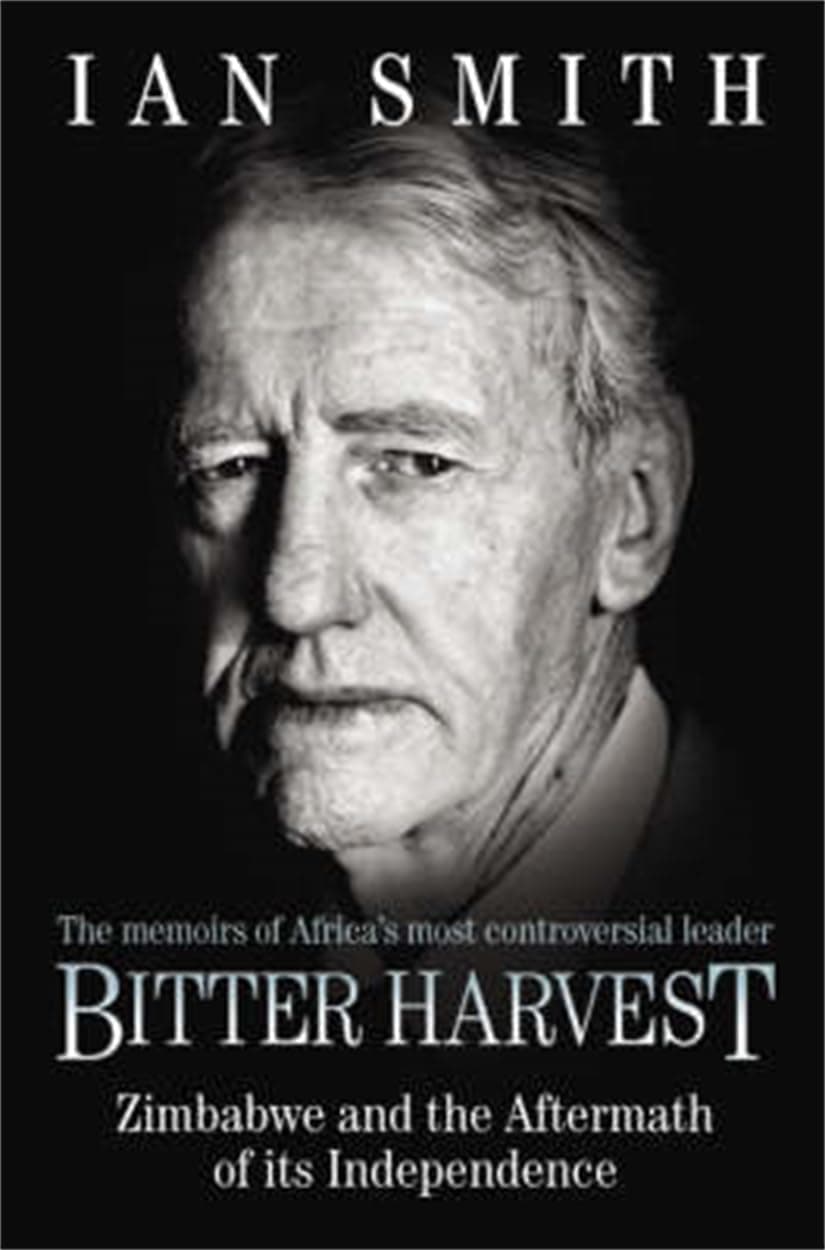
For more than a decade, Ian Smith served as Rhodesia's Prime Minister during the era of white minority rule. Following his death in 2007, he is still a man with the ability to excite powerful emotions. To some he is a leader whose formidable integrity led him into head-to-head confrontation with the Labor government of Britain in the 1960s. To others he is a demon best known for stating "I don't believe in black majority rule ever, not in a thousand years," for staunchly opposing Britain's insistence that majority rule be implemented before the nation’s independence, and for imprisoning the leadership of the newly emerged black nationalist movement. In this revealing autobiography, Smith tells his own side of the story and reveals how he sought to keep Rhodesia on a path to full democracy during the West's decolonization of Africa. He tells the remarkable story behind the signing of the country’s Unilateral Declaration of Independence and addresses the excesses of power that the president, Robert Mugabe, has used to create the virtual dictatorship which exists in Zimbabwe. This is a revealing and prescient historical document from a controversial figure charting the rise and fall of a once-great nation.
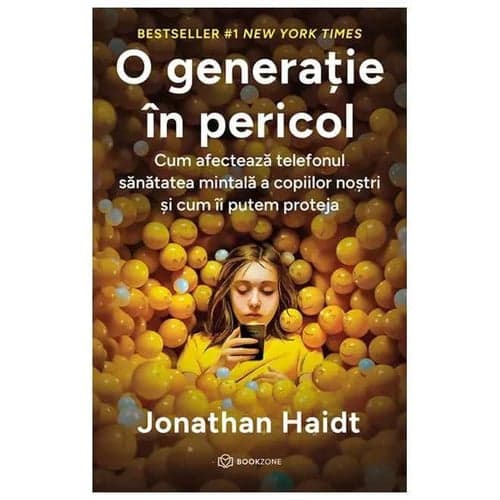
Într-o lume în care tehnologia a devenit o parte indispensabilă a vieții cotidiene, ceva crucial s-a pierdut. În cartea O generație în pericol, Jonathan Haidt, dezvăluie cum „marea reconfigurare” a copilăriei, determinată de expunerea constantă la tehnologie și de schimbările sociale profunde, a condus la o criză de sănătate mentală fără precedent în rândul tinerilor. Ratele depresiei, anxietății, autovătămării și suicidului au crescut dramatic, dublându-se în multe cazuri. De ce? Copilăria bazată pe joacă liberă a fost înlocuită treptat de utilizarea exagerată a tehnologiei, afectând profund dezvoltarea sănătoasă a copiilor. Cartea oferă sfaturi bine documentate pentru părinți, profesori și comunitate, provocându-te să reconsideri în profunzime modul în care copiii interacționează cu tehnologia. Haidt propune strategii clare și accesibile pentru a restabili echilibrul dintre lumea virtuală și cea reală, oferind un ghid esențial și o resursă valoroasă pentru părinții care vor să protejeze sănătatea mentală a copiilor într-o lume tot mai digitalizată.
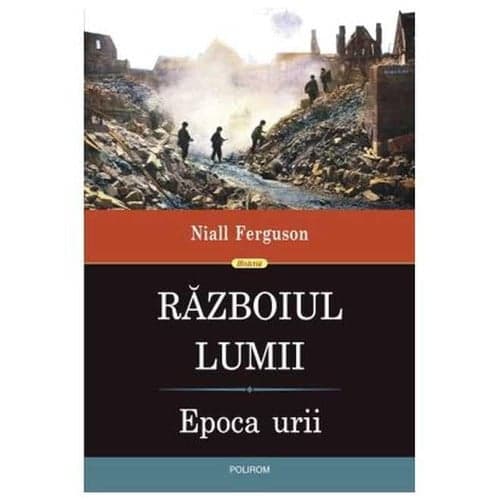
Lumea părea stabilă și relativ pașnică la începutul secolului XX, care avea să se dovedească a fi de departe cel mai violent și mai înfiorător din istorie. Majoritatea societăților au fost înghițite de conflicte fanatice, genocide și totalitarisme de la izbucnirea Primului Război Mondial până la sfârșitul Războiului Rece. Dată fiind istoria sângeroasă a acestui veac, îngrijorarea cu privire la posibilitatea repetării ei astăzi a devenit o preocupare majoră pentru istorici și analiștii politici. Niall Ferguson face o radiografie a cauzelor care au dus la instaurarea terorii în secolul trecut, o veritabilă epocă a urii, în multe privințe fără echivalent în istoria omenirii, ce a schimbat radical fața lumii și a marcat declinul Occidentului. Volumul nu doar clasifică și prezintă factorii care au influențat cursul istoriei în perioada respectivă, ci analizează și „moștenirea” tragică a umanității după dispariția granițelor dintre soldați și civili în timpul conflictelor armate. După execuțiile în masă, foametea programată, ororile genocidelor, bombardamentele devastatoare și lagărele de concentrare, a luat oare „Războiul Lumii” cu adevărat sfârșit, când rațiunile care au alimentat ideologiile rasiale și conflictele etnice și militare pot fi readuse la viață oricând și oriunde?
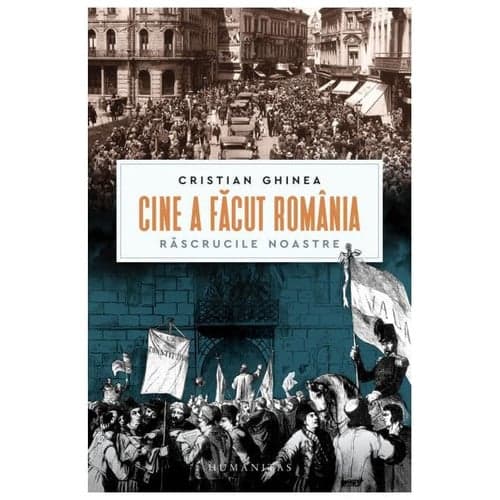
România a fost un proiect patriotic iluminist de eliberare a unor provincii care rataseră primul val european de modernizare. Generația pașoptistă a profitat de înfrângerea militară a Rusiei pentru a-i scoate pe români din scenariul absorbției în imperiul feudal rusesc. Cristian Ghinea folosește teoriile modernizării pentru a interpreta istoria noastră și constată că visul românesc a fost deturnat – și înainte, și după comunism – de idei opuse celor care au creat statul și de interese înguste ale elitelor de pradă care au refuzat mereu soluțiile democratice. Astăzi, adevăratul patriotism și adevăratul naționalism înseamnă să revenim la visul părinților noștri fondatori: modernizare, egalitate, proprietate, încredere în oamenii reali de lângă noi, ridicarea fiecărui român la rangul de cetățean. Firul narativ istoric ajunge până în prezent și se leagă de viitor, pentru că misiunea antifeudală continuă. Deși trăim astăzi cea mai bună epocă din istoria acestei țări, pentru a încheia modernizarea României trebuie să trecem și cele câteva răscruci care ne mai stau în cale.
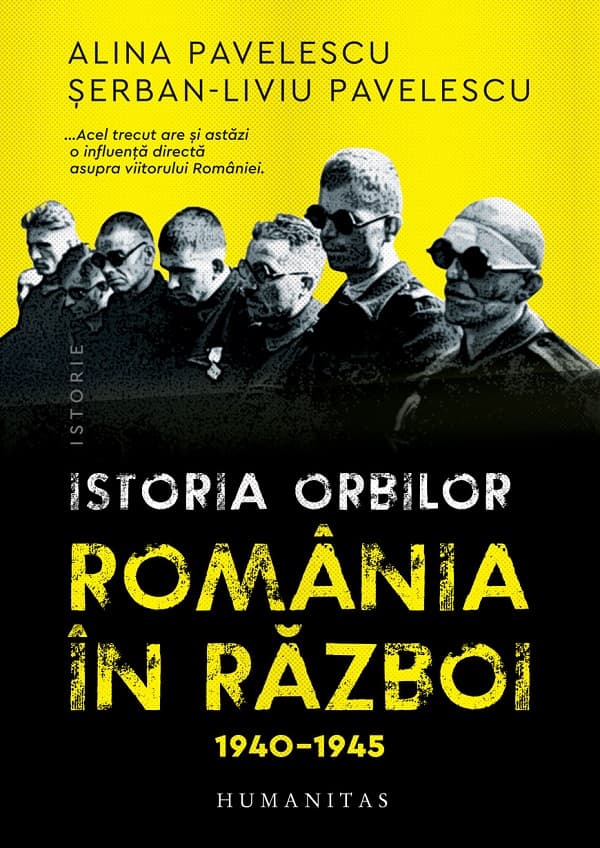
Alina Pavelescu, Serban-Liviu Pavelescu
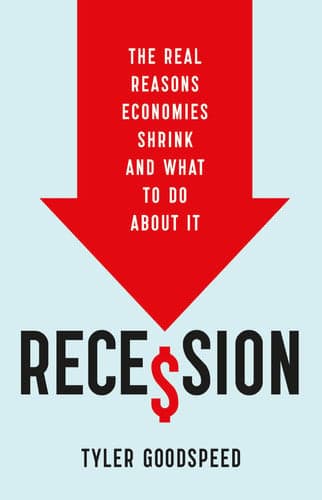
What causes a recession? Do recessions end on their own, or do they require external intervention? Does a recession in one country mean the rest of the world will follow? Are we in a recession now? Economic expert Tyler Goodspeed answers these questions and many more in Recession, a groundbreaking new analysis of economic contractions over the last four centuries. Combining the historian’s extensive primary source material and the economist’s arsenal of statistical analysis, this book rewrites what we know about recessions. Contrary to popular perception, recessions are not the inevitable bust that follows an unsustainable boom, and they do not operate like wildfires that clear out economic deadwood. Recessions are caused by adverse shocks like war and energy price spikes; and far from unleashing gales of creative destruction, post-recession economic growth typically resumes the same trend as before―all pain, no gain. While recessions have become less frequent over time, decisions made by businesses and governments can prolong recessions, and Goodspeed offers guidance to avoid making recessions worse. Issuing an important corrective to economic thinking, Recession is essential reading for high-level policymakers and armchair economists alike.
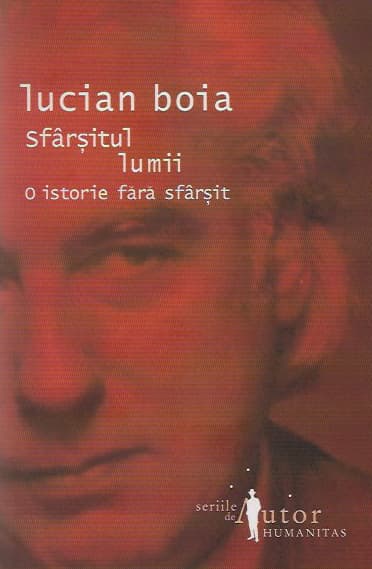
De mii de ani incoace, sfarsiturile lumii se succeda fara incetare. Potop sau incendiu universal, Apocalipsa urmata de Judecata de Apoi, comete devastatoare, prabusiri ale scoartei terestre, invazii ale extraterestrilor, razboi nuclear, dezastru ecologic, dereglari climatice... Toate, din fericire, cel putin pana astazi, s-au petrecut doar in imaginar si mai degraba sub forma unor sfarsituri incomplete, oferind de fiecare data omenirii o noua sansa. Moartea este urmata astfel de renastere, intr-o istorie care tinde sa se desfsoare ciclic. De ce aceasta inversunare de a distruge lumea si a o recladi pe baze noi? Intrebare cu atat mai actuala cu cat suntem inca sib semnul anului 2000, cu intregul sau cortegiu de amenintari reale sau inchipuite. Lucian Boia, cunoscut specialist in istoria imaginarului, incearca sa dea un raspuns, propunand o interpretare istorica multiplelor sfarsituri fictive ale lumii in aceast carte aparuta initial in Franta si oferita acum publicului roman.
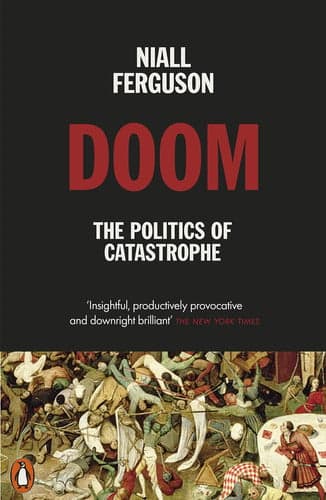
Disasters are inherently hard to predict. But when catastrophe strikes, we ought to be better prepared than the Romans were when Vesuvius erupted or medieval Italians when the Black Death struck. We have science on our side, after all. Yet the responses of many developed countries to a new pathogen from China were badly bungled. Why? While populist rulers certainly performed poorly in the face of the pandemic, Niall Ferguson argues that more profound pathologies were at work - pathologies already visible in our responses to earlier disasters. Drawing from multiple disciplines, including economics and network science, Doom: The Politics of Catastrophe offers not just a history but a general theory of disaster. As Ferguson shows, governments must learn to become less bureaucratic if we are to avoid the impending doom of irreversible decline.
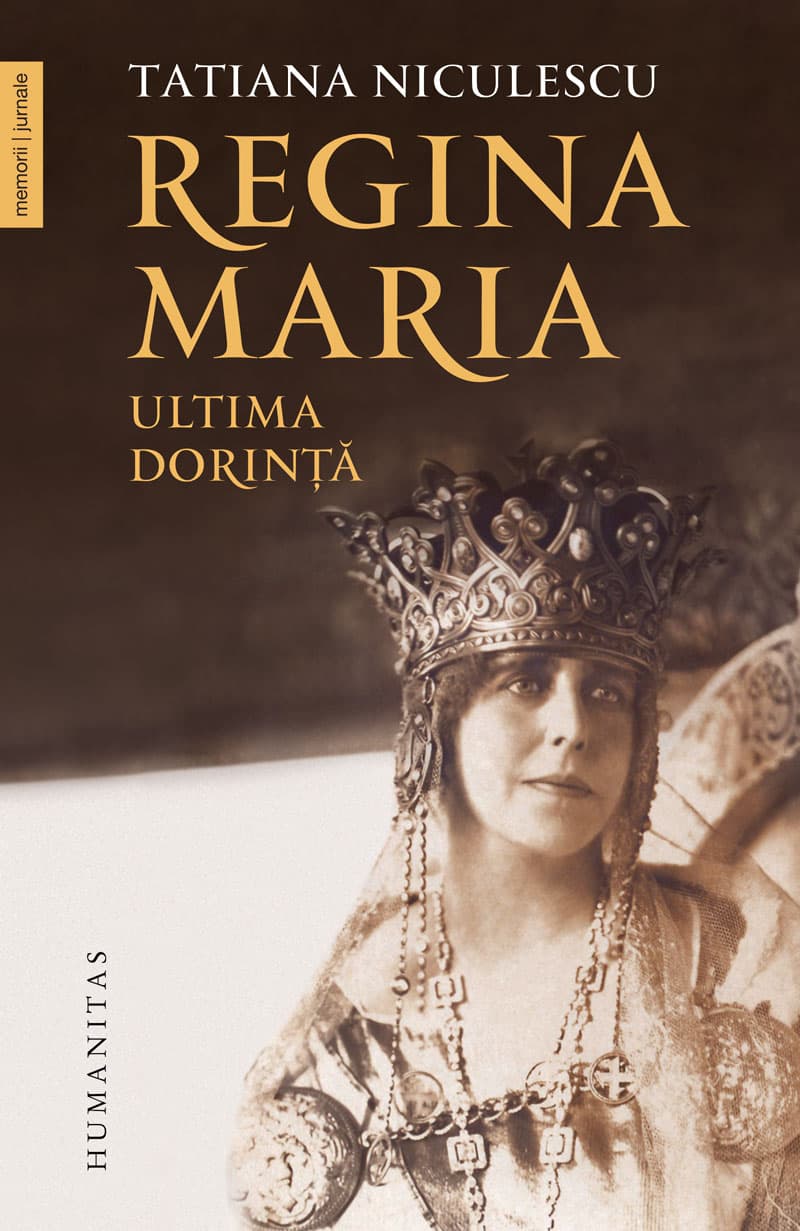
„Cum de curând s-au împlinit 140 de ani de la naşterea reginei Maria, mi-am spus că o carte despre povestea inimii ei ar fi cea mai potrivită declarație a admirației şi iubirii mele față de această desăvârşită româncă englezoaică, mare regină şi cuceritoare scriitoare. De ce a cerut regina ca inima să-i fie înmormântată în alt loc decât trupul? Care sunt simbolurile şi înțelesurile ultimei ei dorințe? Cum se vor fi petrecut toate acestea? Cartea de față nu epuizează nici pe departe istoricul şi semnificațiile ritualului funerar privitor la înhumarea inimii, nici universul cultural şi religios căreia Maria îi aparține şi nici sofisticata ei heraldică sufletească. Este doar o readucere în actualitate a modului ei de a privi oamenii şi lumea, cu încredere, curaj şi cu o poftă de viață inegalabile. Dacă epoca noastră mai are nevoie de modele – şi eu cred că are, acum mai mult ca oricând –, atunci nu există, în istoria României, un model mai puternic şi mai pasionant decât cel al reginei Maria.“ — TATIANA NICULESCU